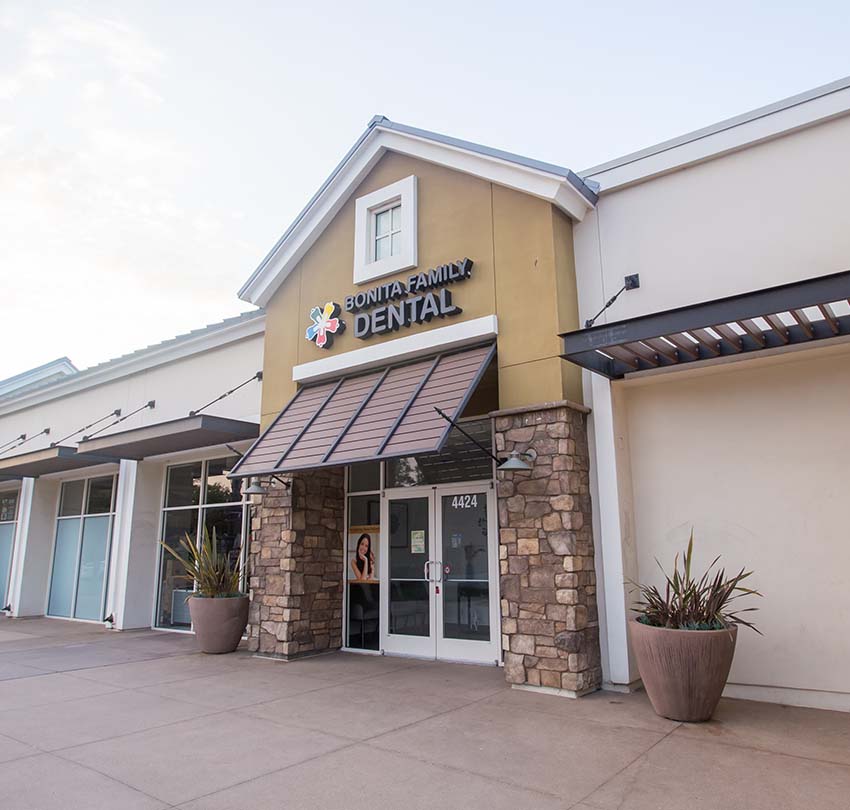
Welcome to Bonita Family Dental!
Your One-Stop Solution to Advanced & Comprehensive Dentistry, with an Emphasis on Personalized Care
Our independently-owned, family practice has provided patients with a top-notch dental experience for well over 40 years. Your smile will shine with care from in-house specialists using the latest technology. Get everything you need for excellent oral health!
- Relax with multiple sedation options
- Experience leading-edge technology like same-day crowns, guided surgery, 3D printers, & more
- In-house periodontist, endodontist, orthodontist, & oral surgeon

Join Our Convenient Membership Club
No insurance? Your enrollment covers the cost of your preventive care and offers you discounts on other treatments.

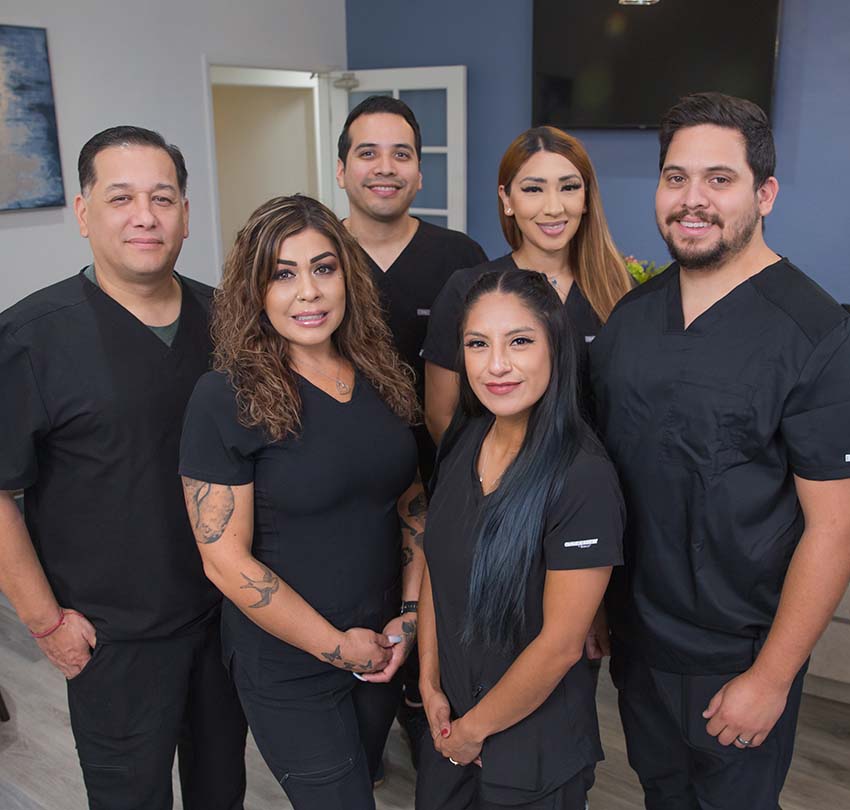
Meet Your Experienced & Exceptional Dentists in Bonita, CA
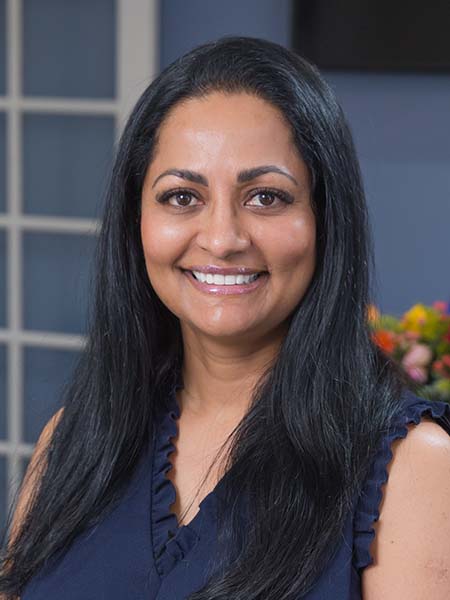
Dr. Sandhya Hegde
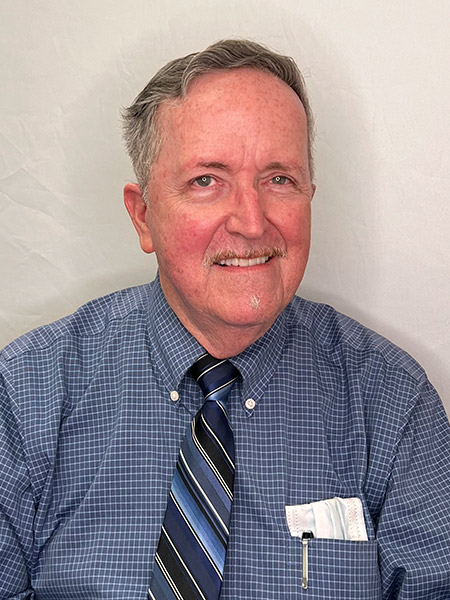
Dr. Gary Sigafoos
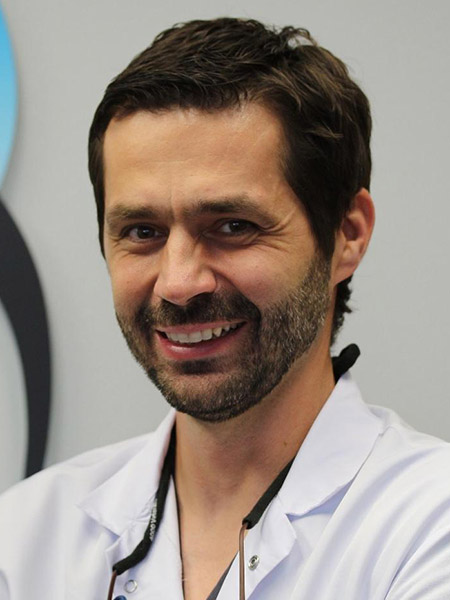
Dr. Haris Lakisic

Dr. Tom Brislin
Our Featured Services



All Dental Services
- General Dentistry
- Dental Cleanings and Exams
- Nonsurgical Gum Disease Treatment
- Cosmetic Dentistry
- Dental Veneers
- Teeth Whitening
- Smile Makeover
- Invisalign
- Restorative Dentistry
- Dental Crowns and Bridges
- Dentures
- Dental Implants
- All-on-4 Dental Implants
- Same-Day Smile
- Relieving Dental Anxiety
- Dental Emergencies
- Oral Surgery
- Tooth Removal Extractions
- Wisdom Teeth Removal
- Periodontics
Treat Your Smile to Cutting-Edge Care
When you partner with us, you’re teaming up with a proven leader for smile care in the South Bay area. You’ll find a complete lineup of services here – from routine cleanings and exams to Invisalign orthodontics to full-mouth reconstruction with dental implants. You can receive care from in-house specialists, including an endodontist and a periodontist. We’re so confident of successful outcomes that we offer warranties for most of our services.
You’ll also benefit from some of the latest dental technology, including dental lasers, digital scanners for goop-free impressions, a 3-D printer, ultrasonic teeth cleaners, and a CEREC system for same-day crowns. These instruments help our team diagnose and treat a wide range of problems while making your care more pleasant.
Whether you’re getting your teeth cleaned or receiving a root canal, there’s no need to feel nervous. Unlike most dentists, we offer a broad range of sedation options, from laughing gas to general anesthesia. You’ll also appreciate special touches like soft pillows, cozy blankets, and a quiet recovery room.
Visit your new dentists in Bonita. Call Bonita Family Dental today at 619.479.8703 to schedule an appointment. You can also make an appointment online.
Testimonials







Common Questions About Our Practice
Do you take my dental insurance?
Most likely, yes! We know the importance of working with many different insurance providers, so we accept many plans. If your insurance isn’t one we accept, don’t worry. We have flexible financing options to help make treatment affordable for you. We also have a Membership Club that gives our patients exclusive benefits. Our goal is to find the solution that works best for your budget and your oral health needs.
What are some signs I should see a dentist right away?
If you notice ongoing tooth pain, sudden sensitivity to hot or cold, swollen or bleeding gums, or a loose tooth, you should see us as soon as possible. Ignoring these issues could lead to even more serious dental problems. Getting prompt dental care can help prevent the problem from getting worse and make sure your mouth stays healthy. Other reasons to see us include constant bad breath, sores or bumps in your mouth, trouble chewing or swallowing, or changes in the look or feel of your gums.
Do you accept appointments?
Yes, we do accept appointments at our dentist’s office. In fact, we highly recommend that you schedule an appointment with us in advance to ensure that you receive the best possible care.
How often should I visit the dentist?
It is important to schedule routine checkups and cleanings to keep your teeth and gums healthy. It is recommended by the ADA to visit the dentist at least once every six months. Contact us now to book your appointment and take the first step toward optimal oral health!